

IAVA Training (Intentional Adulteration Vulnerability Assessment Training) is a specialized food defense training program designed to help food industry professionals identify, evaluate, and reduce vulnerabilities to intentional contamination of food products.
The training supports compliance with the FDA Food Safety Modernization Act (FSMA) Intentional Adulteration (IA) Rule, established under 21 CFR Part 121. Under 21 CFR 121.4, individuals conducting vulnerability assessments must be qualified through appropriate education, training, or experience, or a combination of these.
FDA does not require every employee to complete a specific IAVA certificate course. However, personnel performing vulnerability assessments must have the qualifications necessary to carry out their assigned responsibilities.
In order to become Qualified Individual a person must complete training according to standardized curriculum recognized by FDA or qualify through job experience. Intentional Adulteration Vulnerability Assessment Course by FSPCA is one way to become qualified individual and is recognized by FDA.
Aside from IAVA Training we offer Food Defense consulting services. Fill out the form at the bottom of this site to schedule an appointment.
Training Locations & Times
Chicagoland – 600 W 5th Ave, Suite B, Naperville, IL 60563, Course Times – 8:00 am CST- 4:00 pm CST , Online course times are in Central Standard Time.
Pricing & Course Details
Price per person: $450, (3% off on 4 and 5% off on 5 participants online registrations) – Price includes FSPCA certificate fees. Hard copies of training materials are provided to participants at no cost in classroom courses only.
Dates & Registration – IAVA Public Courses
IAVA Food Defense Consulting Services
BD Food Safety Consultants LLC offer intentional adulteration and food defense consulting services. Our team of experts can assist in the development, implementation and maintenance of a risk – based food defense plan that is FDA compliant. Contact us today by filling out the form at the bottom of this page or email bartdobek@bdfoodsafety.com
Meet your IAVA Course Lead Instructors
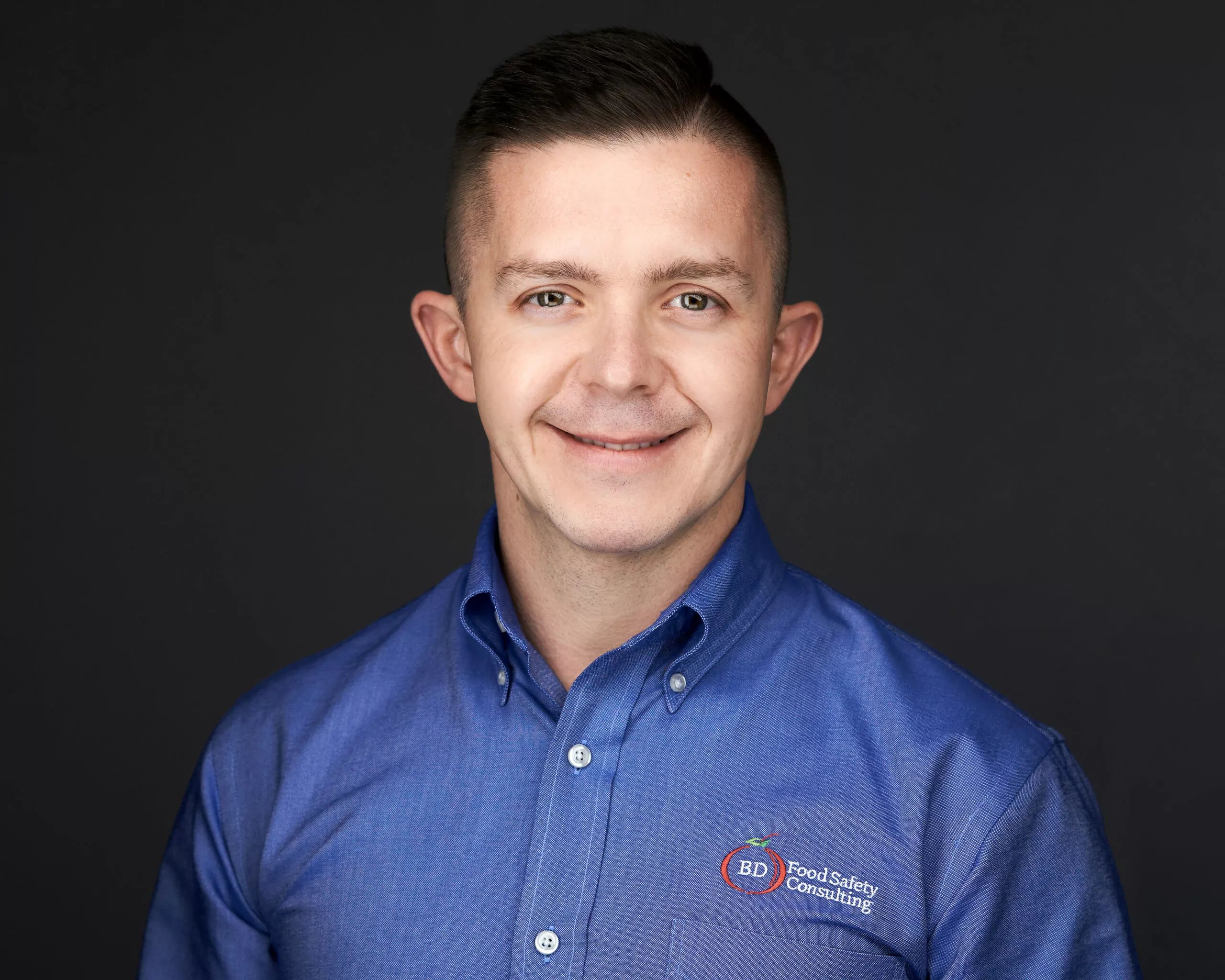
Bart Dobek – Lead Instructor
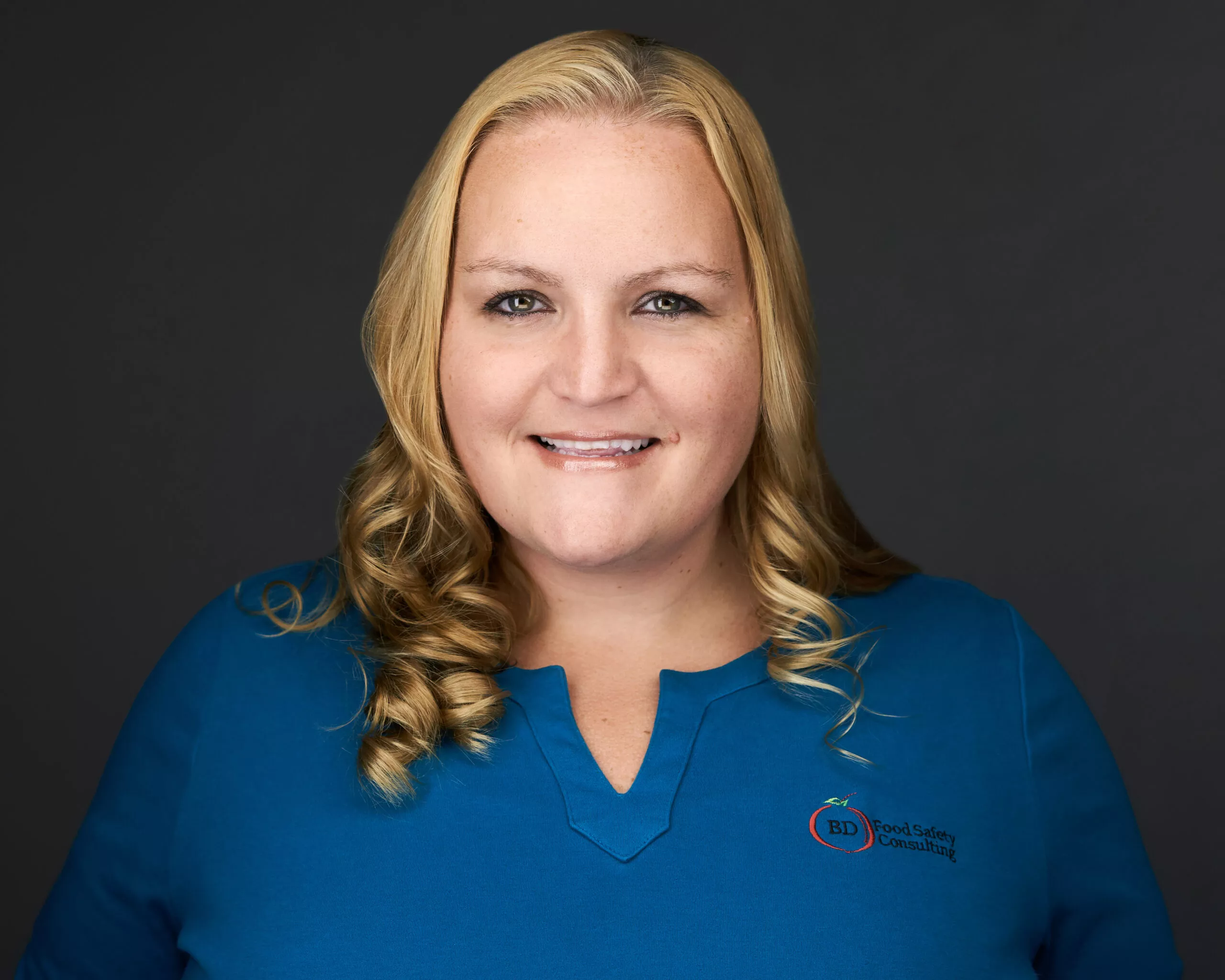
Lauren Daley – Assistant Instructor
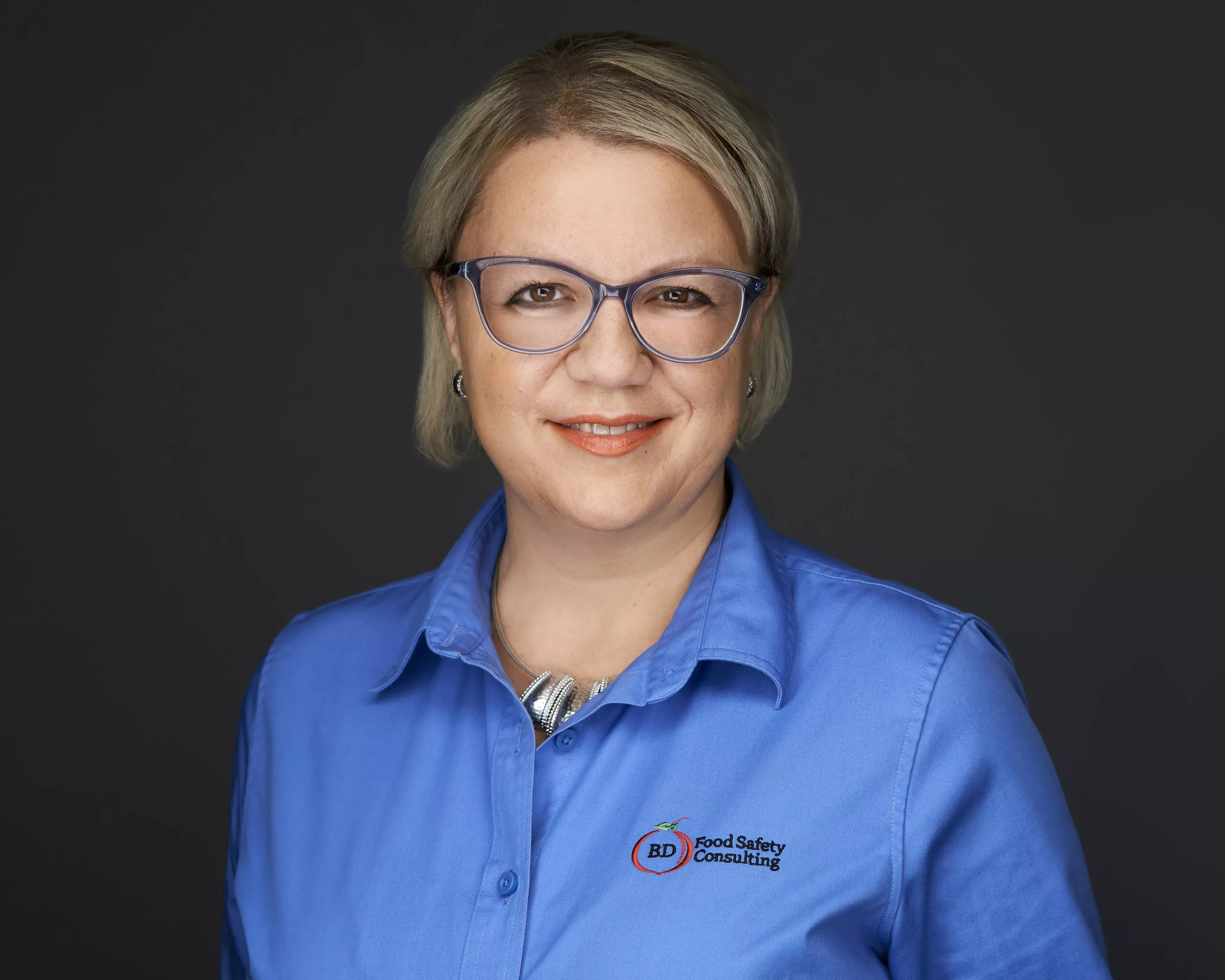
Carmen Ciocan – Assistant Instructor
Learn More About Online Live Course Criteria
- Course Access – You will receive a webpage link to Zoom or GoToMeeting. Please follow instructions to access the course.
WE ASK THAT YOU LOG IN 15 MINUTES BEFORE THE START OF THE CLASS TO ALLOW EXTRA TIME FOR CORRECTING POTENTIAL ISSUES.
- Visual contact during the course
FSPCA requires that Instructors always maintain visual contact with participants throughout the course.
System allows for webcam sharing and this function will be activated at the start of the class. Please ensure your webcam is working properly before the class. You can test your webcam by clicking on the link below:
https://www.onlinemictest.com/webcam-test/
No more than 2 participants use one device (laptop, computer). All participants must be clearly visible in the webcam.
- Audio connectivity
This Online course requires participants to share their work results and respond to questions. All participants must have audio connectivity (no exceptions). Please test your audio functions by using the link below:
https://www.onlinemictest.com/
We Strongly recommend using a headset to minimize background noise. Participants will work in breakout sessions with other team members on completing group exercises. Please ensure you are in a quiet area with no external noise or other people talking.
- Participation
FSPCA’s attendance Policy is very strict. It is required that course participants attend the full length of the course. Participants arriving late, leaving early or being in and out throughout the course will not receive their certificates. Late arrivals to the course will result in registration cancelation.
- Successful completion of the course and work evaluation
There will be no pre and post assessment. Successful completion of the course is determined based on the attendance – see 4) Participation – and completing Group Exercises. Participants will fill out Exercise Workbook electronically and share their work results during the class. Additionally, at the end of each day, participants will email the instructor completed exercises.
- Training Materials and Certificates
Training materials are provided in Electronic Copy only. If you wish to obtain a hard copy of the materials, please visit https://bookstorefspca.ifpti.org
FSPCA Certificates will be emailed to participants at the end of the course.
- Online Live Session Recordings
As a reminder FSPCA’s Online Live Courses are recorded per FSPCA’s requirements. Recordings are made solely for Lead Instructor evaluation by FSPCA and are not shared with any other entity.
- ID Verification
Per FSPCA requirements, all participants must provide picture identification prior to the class. You may scan and email a copy of your Driver’s License; State issued ID or other picture documents or present it to the camera at the beginning of the course. BD Food Safety Consultants do not store any of the personal or sensitive information (ref. privacy policy on www.bdfoodsafety.com).
**Please note that this course requires a pre-requisite – Key Activity Type Method. Knowledge about KAT can be obtained either through KAT Course available on FSPCA’s website or review of Key Activity Type pdf materials also available on FSPCA’s website. Contact our team for more information regarding KAT.
Private IAVA Training Session
BD Food Safety Consultants offers private IAVA Training sessions either on-site at your company, selected locations, online via zoom, or in our Training Center in Chicagoland in Naperville, Illinois. You can have between 6 – 8 participants in online course and up to 12 participants in a private classroom session. For in – person classes, training materials are provided in hard copy. In addition, we can provide training equipment such as projectors and flip charts. Contact us today regarding your private IAVA training course by clicking the button below.
What is IAVA Training?
Intentional Adulteration Vulnerability Assessment (IAVA) training teaches food industry professionals how to identify and evaluate vulnerabilities where someone could intentionally contaminate food to cause widespread public health harm. Participants learn to assess processing steps, consider potential attackers, evaluate accessibility, and identify actionable process steps requiring mitigation strategies. Training covers assessment methods, documentation, and how findings support a facility’s food defense plan under FDA’s Intentional Adulteration rule. It is designed for personnel responsible for conducting vulnerability assessments and supporting food defense activities. Practical exercises help participants apply assessment techniques to their operations and strengthen protection against intentional contamination throughout food production.
What Does IAVA Training Cover?
IAVA training teaches participants how to conduct vulnerability assessments and identify actionable process steps where intentional adulteration could cause widespread public health harm.
Key topics include:
-
Food Defense Fundamentals: Understanding intentional adulteration, food defense threats, and FDA regulatory requirements.
-
Vulnerability Assessments: Identifying and evaluating vulnerabilities within food manufacturing processes.
-
Key Activity Types (KATs): Understanding FDA-identified activities that present significant vulnerabilities.
-
Actionable Process Steps: Determining which processing steps require mitigation strategies.
-
Mitigation Strategies: Developing preventive measures to significantly minimize identified vulnerabilities.
-
Documentation: Maintaining vulnerability assessment records and supporting food defense plans.
Who Should Take IAVA Training?
IAVA training is intended for personnel who conduct or oversee food defense vulnerability assessments, including:
- Food safety and quality assurance managers.
- Food defense team members and coordinators.
- Plant, production, and operations managers involved in assessments.
- Regulatory compliance personnel.
- Consultants supporting food defense programs.
FSPCA’s instructor-led course is particularly relevant for those using the Three Fundamental Elements method or a modified Key Activity Types approach. Personnel using only the unmodified Key Activity Types method may need only FSPCA’s separate online KAT course.
Why Undergo IAVA Training in Chicago, or Online Through BD Food Safety Consultants LLC?
Our IAVA course in Chicago / Naperville or online is FSPCA’s curriculum recognized by FDA to become FDQI for vulnerability assessment. All our instructors assist clients in development of risk based Food Defense Plans that gives us operational experience related to food defense and vulnerability assessment. The price includes both training materials (hard copies in classroom only), and certification fees to FSPCA. A discount of 3% is offered for groups of three or more participants, while groups of five or more will receive a 5% discount. Discount is applied on online registrations only. If you are interested in IAVA training in Chicago, or Online, reach out to us for further information.
Awards & Recognitions

Bart Dobek was recognized for training 1000 or more participants, cumulatively in the four FSPCA training curricula with FSPCA certificates issued. Bart was also recognized as one of the Top 10 FSPCA Preventive Controls for Human Food and Foreign Supplier Verification Program Lead Instructors in 2024 and one of the top 10 FSPCA FSVP Lead Instructors in 2025.
In addition, Bart is a Lead Instructor for International HACCP Alliance Accredited HACCP Certificate course and a Lead Instructor for ISO 19011 based Internal Auditor Course.
What Does IAVA Training in Chicago and Online Include?
When you sign up for Intentional Adulteration Vulnerability Assessment in Chicago or Online you will learn techniques and requirements for vulnerability assessment required under Intentional Adulteration Rule 21 CFR 121 to develop risk – based Food Defense Plan. Course participants will practice vulnerability assessment using 3 fundamental elements as outlined in the regulation. This course is one of the 3 needed to become Qualified Individual under Intentional Adulteration Rule. Other 2 courses (Identification and Explanation of Mitigation Strategies and Food Defense Plan Preparations and Reanalysis) are short modules that can be taken online. We recommend taking FSPCA’s courses.
Contact us About IAVA Training or Food Defense Consulting